
I. Introduction: Why Mindfulness Matters More Than Ever
You wake up to notifications. Your thoughts race from unfinished tasks to unread emails. You try to focus, but your mind keeps jumping — to yesterday’s mistake, tomorrow’s worry, or just… somewhere else.
Sound familiar?
We live in a world full of stimulation, yet we often feel mentally scattered, emotionally drained, and strangely disconnected — even from ourselves.
This is where mindfulness comes in.
Not as a trend. Not as a productivity hack. But as a quiet revolution — one breath, one moment at a time.
II. The Real Meaning of Mindfulness (It’s Not What You Think)
“Mindfulness means paying attention in a particular way: on purpose, in the present moment, and nonjudgmentally.”
— Jon Kabat-Zinn
Mindfulness isn’t about clearing your mind or achieving “perfect peace.” It’s not religious or reserved for monks in caves.
It’s the simple — but powerful — ability to be aware of what you’re doing while you’re doing it.
🧠 It’s noticing your breath while you’re in traffic.
🍽 It’s tasting your food instead of scrolling while eating.
💬 It’s hearing your partner without planning your reply mid-sentence.
Mindfulness is a skill — one that can be trained, like a muscle. And the benefits can ripple through every area of life.
III. The Benefits of Mindfulness (Backed by Science)
Mindfulness isn’t just “nice to have.” It’s a research-backed practice with powerful effects:
- 🧘♂️ Reduces stress and anxiety: Mindfulness activates the parasympathetic nervous system, calming the body and mind.
- 🧠 Improves focus and attention: Studies show regular mindfulness practice enhances working memory and executive function.
- 😌 Boosts emotional regulation: You learn to pause before reacting, creating space for wiser choices.
- 😴 Improves sleep quality: A calm mind leads to deeper rest.
IV. What Mindfulness Looks Like in Everyday Life
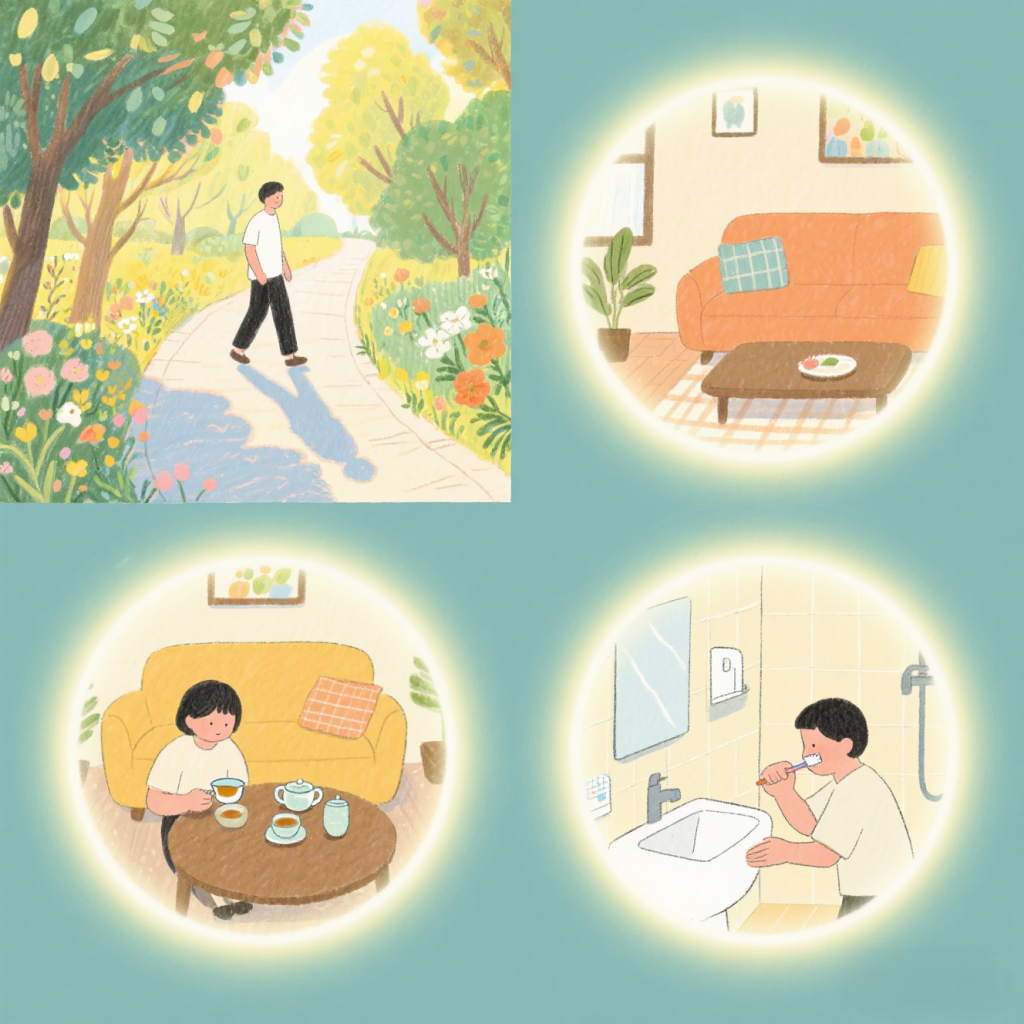
Mindfulness isn’t something you only do on a cushion. It happens right where you are — in the in-between moments.
Here are real-life examples:
- Mindful Morning: Before grabbing your phone, sit up, breathe, and notice how your body feels.
- Mindful Eating: Put away devices, slow down, and savor each bite — noticing texture, smell, and flavor.
- Mindful Working: Close other tabs. Breathe before starting a task. Stay with what’s in front of you.
- Mindful Listening: Give someone your full attention. Don’t interrupt. Just listen.
V. How to Start Practicing Mindfulness (Without Overthinking It)
You don’t need apps, incense, or silence. Here are three easy ways to begin:
1. The One-Minute Breath Check
Pause once a day. Set a 60-second timer. Simply follow your breath — in, out. When your mind wanders, gently return.
2. Mindful Transitions
At red lights. Before Zoom calls. As you open the door — use these natural pauses to come back to your body and breath.
3. 5 Senses Reset
Pick any moment. Silently name:
1 thing you see
1 thing you hear
1 thing you feel
1 thing you smell
1 thing you taste
Each practice brings you back — to now.
🔽 Want a Simple Routine to Get Started?
We created a free 7-Day Brain Reset PDF — daily bite-sized practices to help you reset your mind, rewire your focus, and reclaim calm.
👉 Download your free guide here
VI. Common Challenges (And How to Gently Navigate Them)
🌀 “My mind won’t stop.”
That’s normal. The goal isn’t to have no thoughts — it’s to notice them, then come back.
🕒 “I don’t have time.”
Try micro-moments: brushing your teeth mindfully, taking 3 deep breaths before checking your phone.
😓 “I keep forgetting.”
Pair mindfulness with habits. For example: after you drink water, pause for a breath.
Mindfulness isn’t about perfection. It’s about returning.
VII. Mindfulness Is Not a Destination
You don’t “achieve” mindfulness. You remember it — again and again.
It’s not something to add to your to-do list. It’s a way to be with your to-do list, your emotions, your life.
So take one mindful breath now.
Feel your feet.
Listen to the quiet behind the noise.
What if clarity was just one breath away?
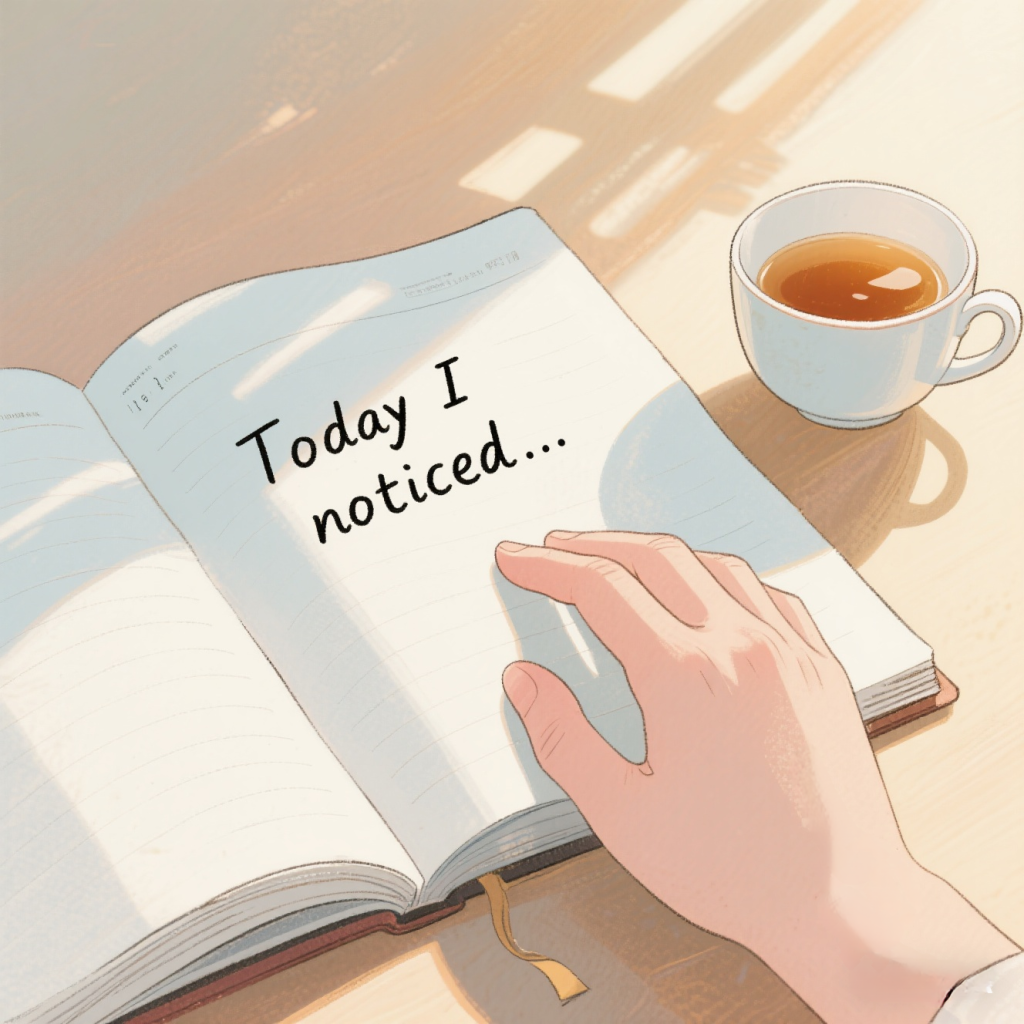
💬 What does mindfulness mean to you?
Share your thoughts in the comments — or just take one breath and carry it into your next moment. 🌿

Great write-up, I am normal visitor of one?¦s web site, maintain up the excellent operate, and It is going to be a regular visitor for a long time.