Stuck in the Past? Understanding Rumination & How to Break the Loop
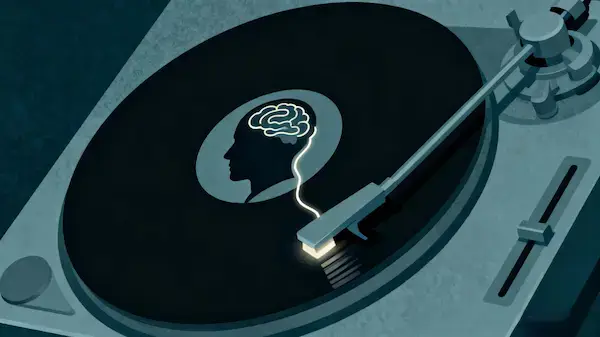
Like a broken record, the mind plays the same memory over and over.
It’s 3 PM on a Tuesday. Suddenly, your brain reminds you of that time five years ago when you tripped on stage during graduation. Or maybe you’re driving home, and instead of listening to the radio, you’re re-fighting an argument you lost last week, thinking of all the clever things you should have said.
This isn’t just “thinking.” And it’s not quite “worrying” either.
In psychology, this is called Rumination. It’s the mental equivalent of a cow chewing its cud—regurgitating, chewing, swallowing, and doing it all over again. But unlike the cow, this process provides no nourishment; it only drains you.
What is Rumination?
Rumination is the focused attention on the symptoms of one’s distress, and on its possible causes and consequences, as opposed to its solutions. It is a repetitive, passive focus on negative emotions and past events (“Why did this happen to me?”) rather than active problem-solving (“What can I do about it now?”).
Rumination vs. Worry: What’s the Difference?
Many people use these terms interchangeably, but they are distinct mechanisms. Understanding which one you are doing is the first step to stopping it.
| Feature | Rumination | Worry |
|---|---|---|
| Time Orientation | The Past (What happened?) | The Future (What if?) |
| Emotional Driver | Sadness, Shame, Regret | Anxiety, Fear |
| The Question | “Why am I like this?” | “What will happen next?” |
| Risk Factor | Leads to Depression | Leads to Panic/Anxiety |
*Adapted from Nolen-Hoeksema’s Response Styles Theory
Why Is It So Hard to Stop?
Your brain isn’t trying to torture you. It’s trying to solve a problem.
“If I just think about this argument one more time, maybe I’ll find the magic reason why it happened, and then I can fix it so I never feel this pain again.”
The trap is that the event is over. There is nothing to “fix” in the past. So the brain spins the wheels, burning energy but going nowhere.
How to Hit the “Stop” Button
1. The 2-Minute Distraction Rule
Rumination is a trance. You need to snap out of it. Studies show that a short, engrossing distraction can break the mood-congruent memory loop.
- Hold an ice cube in your hand (physiological shock).
- Count backward from 100 by 7s (forces cognitive load).
- Do 20 jumping jacks.
2. Schedule Your Worry Time
Tell your brain: “I hear you, but we aren’t doing this now. We will think about this mistake tonight at 7:00 PM for 15 minutes.” When 7 PM comes, write down your thoughts. Usually, the urge has passed by then.
3. Turn “Why” into “How”
Rumination asks “Why am I such a failure?” (Abstract, Unsolvable).
Problem Solving asks “How can I apologize and move forward?” (Concrete, Actionable).
If there is no action to take, practice Self-Compassion.
You Are Not Your Past
The past is a place of reference, not a place of residence. Learn to live in the present.
Read Next: Detailed Guide: How to Stop Overthinking →
Discover Mindfulness Techniques →