Signs of Overthinking: How to Know If Your Mind Is Doing Too Much
Many people overthink without realizing it. What feels like “being careful” or “thinking things through” is often a mind stuck in loops.
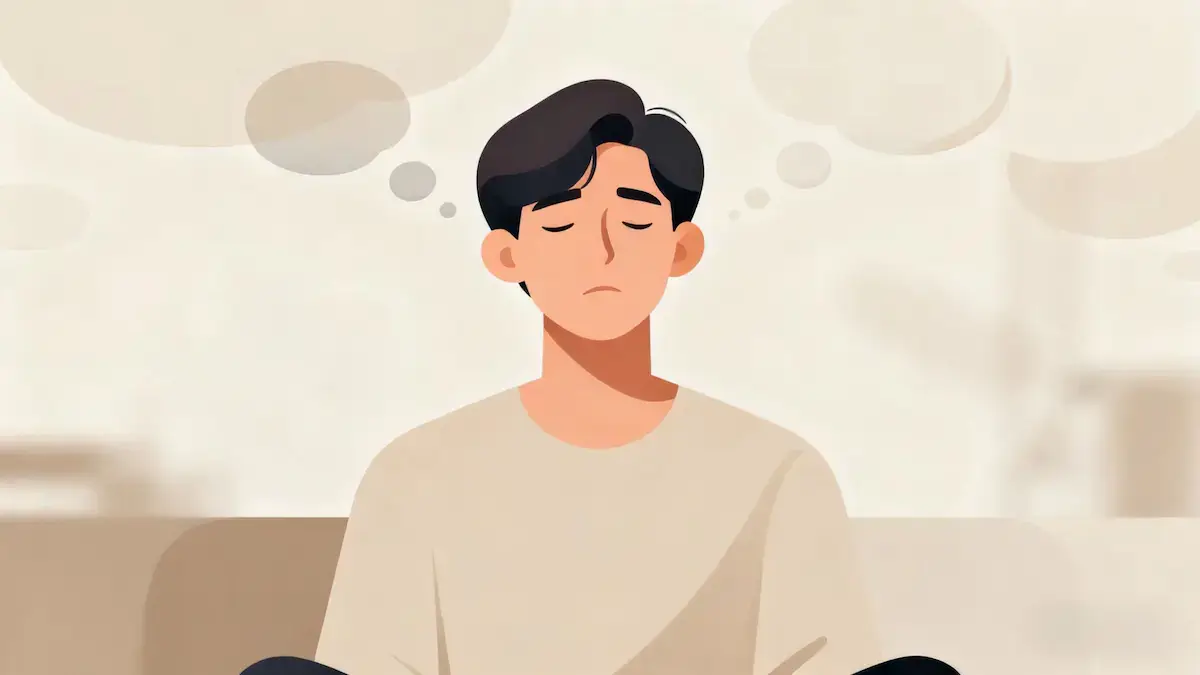
If you often ask yourself, “Why can’t I stop thinking about this?” or “Am I making things harder than they need to be?” you may already be experiencing overthinking.
Overthinking doesn’t always feel dramatic. Most of the time, it feels quiet, persistent, and exhausting.
What Overthinking Really Looks Like
Overthinking is not simply thinking a lot. It’s thinking that goes in circles without leading to clarity or action.
Instead of helping you feel prepared, overthinking often leaves you more uncertain, tense, or mentally drained.
Common Experiences That Signal Overthinking
You replay conversations long after they’re over, analyzing every word, tone, and facial expression.
You imagine multiple future outcomes — especially negative ones — even when there’s no clear reason to worry yet.
Making small decisions feels heavy. You delay, second-guess yourself, or seek reassurance long after a choice has been made.
When something goes wrong, your mind immediately asks: “What if I had done something differently?”
These moments may seem harmless, but together they form a pattern of mental overactivity.
Key Signs You May Be Overthinking
- Difficulty letting go of past events
- Constant self-questioning or self-criticism
- Imagining worst-case scenarios by default
- Feeling mentally tired even without physical effort
- Struggling to make decisions or trust them afterward
- Overanalyzing how others perceive you
Why These Signs Matter
Overthinking often feels like a personality trait, but it’s usually a coping mechanism. It develops as a way to feel safe, prepared, or in control.
Over time, however, it can increase anxiety, disrupt sleep, and reduce your ability to be present.
If overthinking shows up most strongly at night, you may find this helpful: why overthinking gets worse at night.
What to Do If You Recognize These Signs
Recognizing overthinking is not about labeling yourself. It’s about understanding how your mind works under stress.
You don’t need to stop thinking — you need to change your relationship with your thoughts.
A deeper explanation of the pattern can be found here: what overthinking really is, along with practical guidance on how to stop overthinking.
Frequently Asked Questions
Is overthinking a mental health problem?
Overthinking itself is not a disorder. It’s a common mental habit that can appear during stress or uncertainty.
Can you overthink without anxiety?
Yes. Many people overthink even without chronic anxiety, especially in relationships, work, or major life decisions.
How do I know if I’m just being careful or overthinking?
If thinking helps you move forward, it’s useful. If it keeps you stuck, tense, or exhausted, it’s likely overthinking.
Becoming aware of overthinking is not a weakness. It’s the first step toward a calmer, more trusting relationship with your mind.